

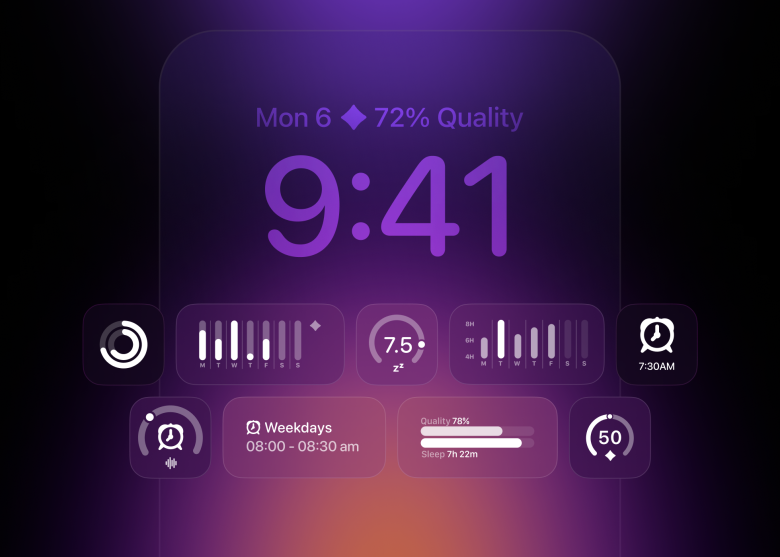
In today’s fast-paced world, good sleep has become a priority. Fortunately, technology has some effective methods to help us sleep monitor and improve our sleep patterns. One such method is a widget-based sleep tracker. It is a convenient and friendly way to monitor sleep right from your device’s home screen. This guide will help you know how to use widgetable sleep tracker easily.
What is Widgetable Sleep Tracker?
The widgetable sleep tracker is one of the smallest customisable apps that shows your sleep data directly on your home screen. The widget has become the fastest and easiest way to check your own sleep metrics without opening a fully-fledged app. It typically contains data on sleep duration, sleep quality, or specific patterns of your sleep.
How to Use Widgetable Sleep Tracker?
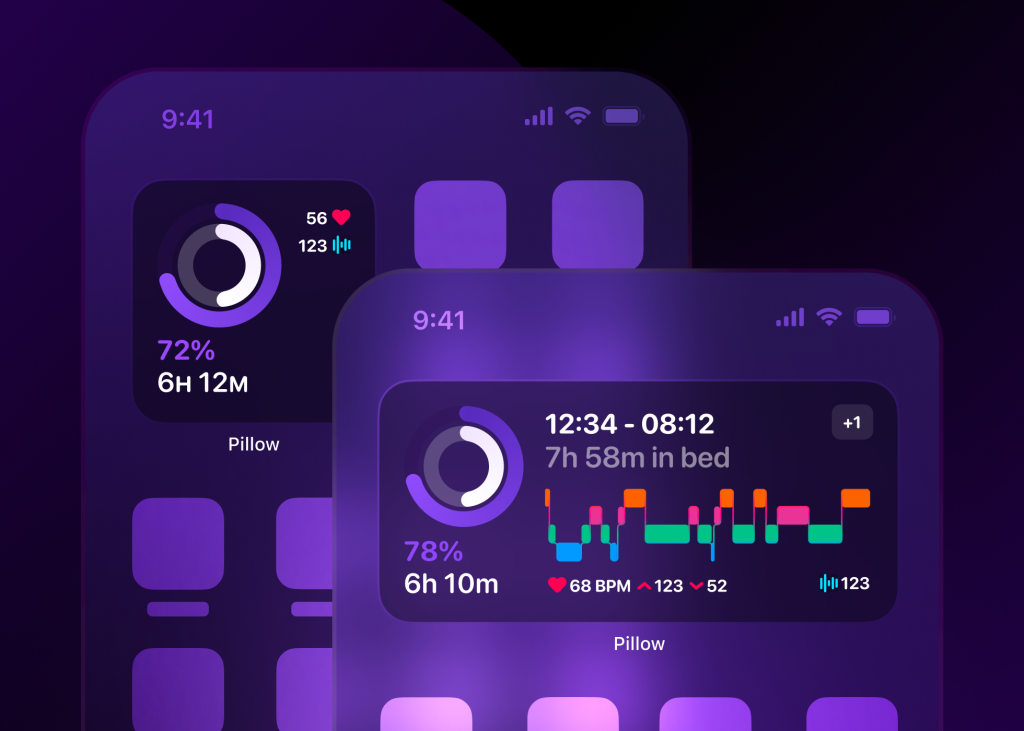
Here is how to use widgetable sleep tracker:
1. Setting Up Your Widgetable Sleep Tracker
Follow these steps to set up your chosen sleep tracker:
1. Download and install your preferred sleep tracking application from the app store of your device.
2. Upon opening the app, you will be asked to do the initial setup.
3. Give all permissions to the app so it can gain access to all your health data and sensors.
4. Open your home screen and get into the widget editing mode.
5. Find the sleep tracker and place it wherever you like on your home screen.
6. You can also resize or change the appearance of the widget as you like.
2. Configuring Your Sleep Tracking Settings
To ensure accurate sleep tracking, it’s essential to configure your settings properly:
1. Connect your device to any external sensors or wearables if supported.
2. Set your typical bedtime and wake-up time.
3. Adjust sensitivity settings for movement detection.
4. Enable any additional features like smart alarms or sleep sounds.
How to Use Widgetable Sleep Tracker Effectively?
Now that your tracker is set up, here’s how to make the most of it:
1. Track Your Sleep Regularly: Consistency is the key when it comes to sleep tracking. Try to make it a routine to use your tracker each night to amass a really comprehensive data set about your sleep behaviours.
2. Analyzing Your Sleep Data: Take some time to review the information that is available on your widget. Note down any patterns in the length of your sleep, quality of your sleep and regularity. Within most apps, you can find more detailed insights within the full application.
3. Set Sleep Goals: According to the information provided by your widget, set aggressive but achievable sleep goals. Adults require 7-9 hours of sleep per night.
Optimization of sleep environment You can optimize your sleep environment based on the learnings with your tracker. That means maybe you need to regulate the temperature in the bedroom, reduce noise levels, or use a different light.
4. Use Smart Alarm Features: Many sleep trackers that can be widgeted have smart alarm features. These wake you up during your lightest phase of sleep, so you wake up a bit more refreshed.
Choosing the Right Widgetable Sleep Tracker
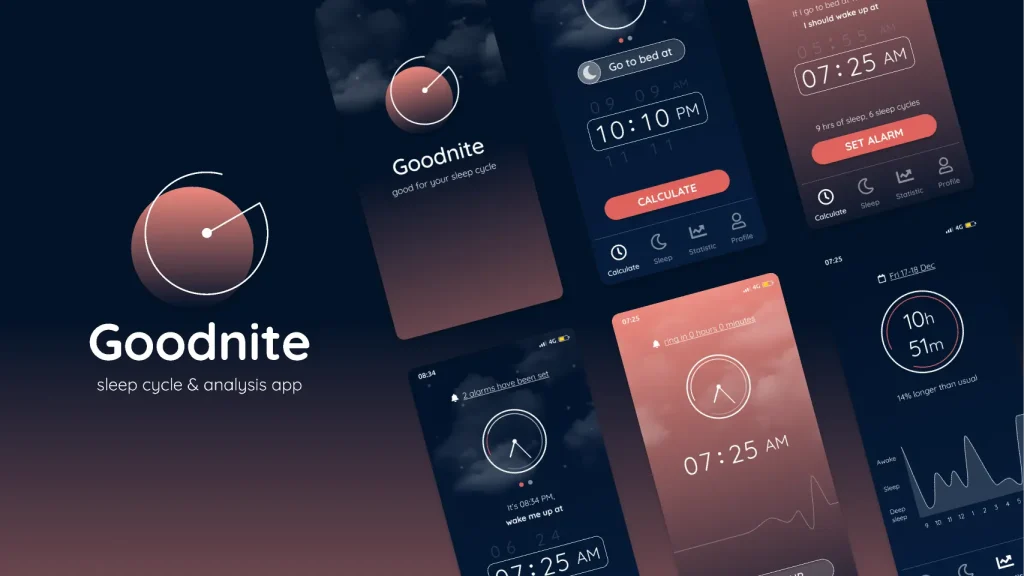
Before diving into the usage, it’s crucial to select the right widgetable sleep tracker for your needs. Consider the following factors:
- Compatibility with your device
- Available features and metrics
- User interface and design
- Integration with other health apps
- Reviews and ratings from other users
Popular options include apps like Pillow, Sleep Cycle, and AutoSleep, which offer widgetable sleep tracking functionality.
Troubleshooting Common Issues
If you encounter problems with your widgetable sleep tracker, try these solutions:
- Ensure your device’s software is up to date.
- Check that the app has all necessary permissions.
- Restart your device and the sleep tracking app.
- Verify that your device is properly positioned during sleep.
- Contact the app’s support team for persistent issues.
Maintaining Privacy and Security
While using a widgetable sleep tracker, it’s important to prioritize your privacy and data security:
- Review the app’s privacy policy.
- Use strong, unique passwords for your accounts.
- Be cautious about sharing your sleep data on social media.
- Regularly update your sleep tracking app to ensure you have the latest security features.
Conclusion
Widgetable sleep trackers offer a convenient and insightful way to monitor and improve your sleep habits. By following this comprehensive guide on how to use widgetable sleep trackers, you can effectively set up and use your tracker to gain valuable insights into your sleep patterns. Remember, the key to success lies in consistent use and thoughtful application of the data you gather. With regular tracking and small, incremental changes to your sleep routine, you can work towards achieving better, more restorative sleep and ultimately enhance your overall health and well-being.
FAQs
1. How accurate are widgetable sleep trackers?
Widgetable sleep trackers can provide a good estimate of your sleep patterns, but they’re not as accurate as medical-grade sleep monitoring devices. Most consumer-grade trackers are accurate within 30 minutes of your actual sleep time. They’re particularly useful for tracking trends over time rather than providing precise medical data. Factors like device sensitivity, placement, and individual sleep behaviors can affect accuracy.
2. Do I need to wear a device for widgetable sleep tracking to work?
It depends on the specific app and tracker you’re using. Some widgetable sleep trackers work with your smartphone’s sensors and don’t require a wearable device. These typically use your phone’s microphone and accelerometer to detect movement and sound. Other trackers may integrate with smartwatches or fitness bands for more detailed data. Check the requirements of your chosen app to determine if a wearable device is necessary.
3. Will using a widgetable sleep tracker drain my device’s battery?
While sleep tracking apps do use some battery power, most modern widgetable sleep trackers are designed to be energy-efficient. The impact on your device’s battery life is usually minimal, especially if you charge your device overnight. However, if you notice significant battery drain, check the app’s settings for power-saving options or contact the developer for support.
4. Can widgetable sleep trackers help diagnose sleep disorders?
Widgetable sleep trackers are not designed to diagnose sleep disorders. They can, however, help you identify patterns or irregularities in your sleep that may warrant further investigation. If you consistently notice issues with your sleep quality or duration, or if you experience symptoms of a sleep disorder, it’s best to consult with a healthcare professional. They may use the data from your sleep tracker as a starting point for discussion but will likely require more comprehensive medical tests for a proper diagnosis.
5. How long should I use a widgetable sleep tracker to get meaningful data?
To get meaningful insights from a widgetable sleep tracker, it’s recommended to use it consistently for at least two to four weeks. This duration allows the app to establish your baseline sleep patterns and account for daily variations. However, for more comprehensive insights and to track how lifestyle changes affect your sleep, consider using the tracker for several months. Remember, sleep patterns can be influenced by various factors, including seasons, work schedules, and life events, so longer-term tracking can provide more robust data.
you are reading this blog on info hacker!
