

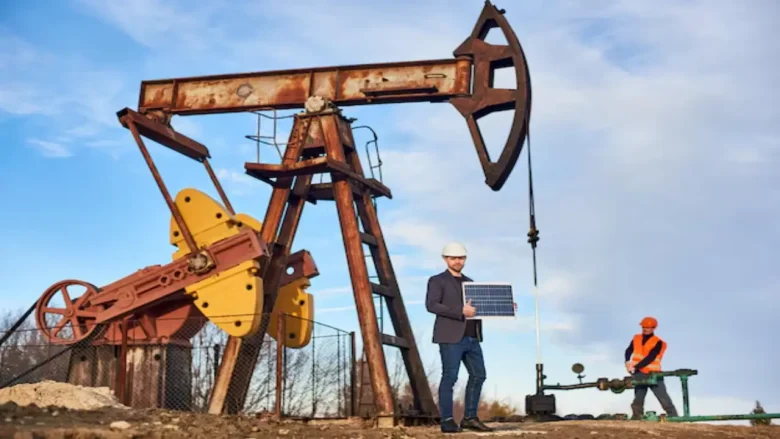
Hydrofracking, or hydraulic fracturing, is a method used to extract oil and natural gas from deep in the earth. This new technique has transformed the energy sector by tapping into formally unrecoverable areas, taking production to higher levels. Today we will find out what fracking is. The Impact of Fracking on the Environment.
What is Fracking?
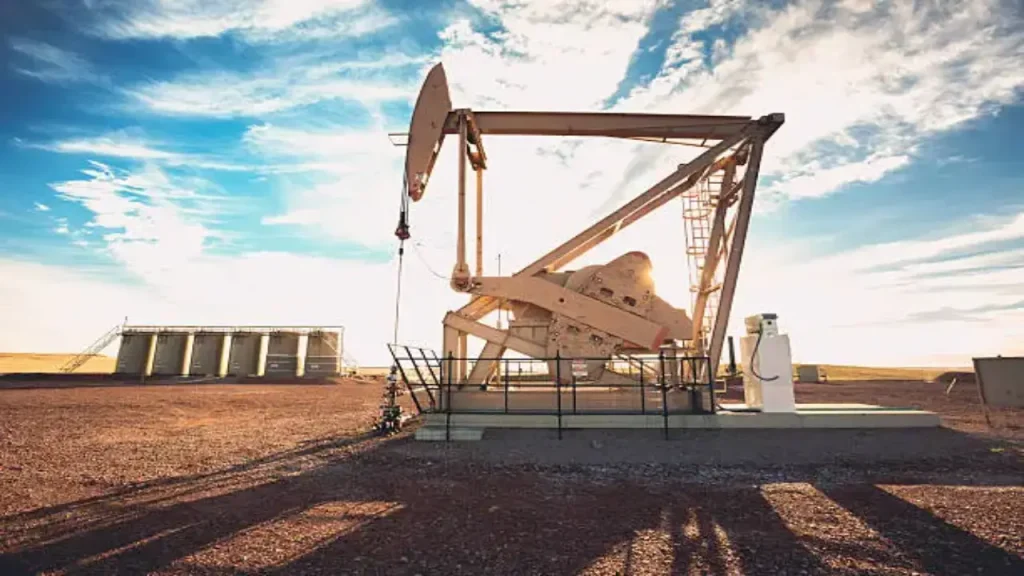
Oil-fracking is drilling into shale rock vertically, then horizontally over a larger area. High-pressure water mixed with sand and chemicals is injected into the well to create fractures, allowing oil and gas flow.
The Process of Fracking
Here are a few step-by-step accounts of the process:
- Drilling: A well is drilled vertically down to the shale layer, which may be as much as a few thousand feet underground. The well is then angled horizontally to sweep a broader area of the shale formation.
- Injection: Water containing sand and chemicals is injected into the well under high pressure. This cracks the rock, creating pathways for oil or gas trapped within it to escape.
- Production: The oil and gas come up to the surface where they are processed, and transported for use.
- Wastewater Disposal: The water needed in the fracking process, now containing chemicals and radioactive materials is either sent down a deep disposal well or recycled for use on another round of it.
The Impact of Fracking on The Environment
It increases oil and gas production but it has a lot of impact on the environment;
- Contamination of water: Chemicals used in the natural gas fracking process can leak into ground waters, potentially placing them at risk for health issues relevant to those living nearby.
- Air Pollution: Fracking releases several air pollutants such as methane one hundred times more effective than CO2 at trapping heat and an ozone precursor, plus other hazardous compounds that deteriorate the respiratory system.
- Induced Seismic Activity: One such concern is induced seismic activity, as fracking and wastewater disposal are known to cause small earthquakes that can damage infrastructure.
- Water: Fracking requires millions of gallons of water for each well, and in arid regions with fast-growing populations or during droughts it was competing directly against human use.
- Wildlife Effects: It disturbs the natural habitats and behavior of wildlife, introducing risks from spills as well as pollution caused by habitat destruction.
Recent Research on Fracking
- Health Impacts: A 2023 study from The Lancet Planetary Health revealed a correlation between living near fracking sites and increased rates of respiratory problems like asthma, as well as some cancers-types that require tighter health measures.
- Technological Advances: A 2023 paper in Renewable and Sustainable Energy Reviews announced lower-toxicity, biodegradable fracking fluids that could reduce water pollution.
- Economic or Environmental Trade-offs: A 2023 International Energy Agency report said that while it is good for energy security and economic growth, its long-term environmental costs “could dwarf (its) benefits” if not done carefully.
Conclusion
The practice of fracking has opened the door to abundant supplies of natural gas and oil, changing our energy sources. However, it also poses a serious impact on the environment.
That delicate balancing act continues to sway one way and then the other as our planetary future hangs in the balance. A trade-off between the exploitation of energy on which human progress depends and protecting environmental health for our progeny is necessary.
FAQs
racking, or hydraulic fracturing, is a method used to extract oil and natural gas from underground rock formations by injecting a mixture of water, sand, and chemicals at high pressure to create fractures in the rock.
It operations leak out methane, a potent greenhouse gas along with other pollutants that worsen air quality and cause respiratory problems in the local communities.
Yes, it and disposal of wastewater in deep wells have been shown to increase seismic activity (especially for areas with significant fracturing).
Recent breakthroughs include the creation of greener fracking fluid to replace toxic chemicals &, more efficient methods intended to reduce water use and how wastewater is handled during an operation.
Although rich in energy and has proven to stimulate economic development, its aggressive environmental impacts may outweigh the benefits that come with it.
You are reading this news on haccker.
